
Buying Guide

Five Checks Before Buying A Used Dump Truck
A used tipper can deliver years of reliable service or become a constant repair bill. The difference is almost never the paint, the tires or the hour meter reading. It is the structure underneath, the hydraulic system and the documented history of how the truck was worked.
These are the five checks our inspectors run before we put a used dump truck on our yard. Each one can be done in under an hour with basic tools, and each one has saved a buyer from an expensive mistake.
1. Frame And Chassis Cracks
Start at the front spring hangers and work back along the main frame rails. Look for hairline cracks around cross-member welds, especially behind the cab and above the rear axle group. A cracked frame can be repaired, but the repair has to be engineered — not simply welded over.
Check that the frame rails are straight by measuring the distance between rails at several points. A truck that has been overloaded or involved in an accident often shows a diamond or sag that is obvious once you measure it.
"A frame repair that is not engineered is a temporary fix. If the rails are bent or cracked at a cross-member, walk away or budget for a proper repair."
2. Hoist Cylinder And Hydraulic Leaks
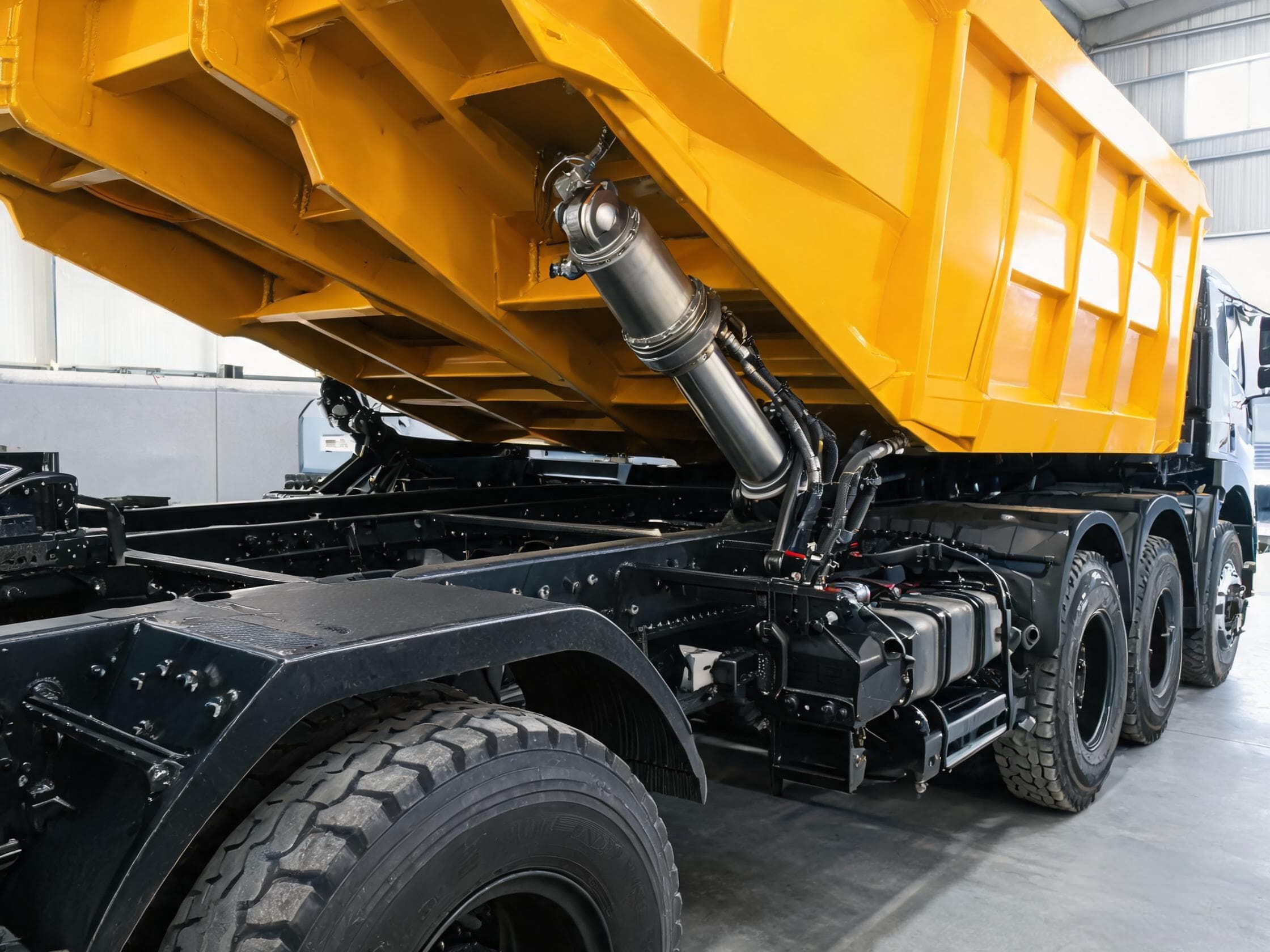
Raise the body to full extension and hold it there for several minutes. A cylinder that drifts down under load is worn internally, even if it does not leak externally. Inspect the cylinder rod for scoring, pitting and bent sections, and check the hose ends and fittings for damp spots.
Look at the hydraulic tank and the pump drive for signs of heat damage. A hoist system that has been run low on oil often shows discolored fluid and a whining pump under load.
3. Service History And Hour Meter
Ask for service records, not just a verbal description. Oil change intervals, hydraulic filter changes and major repairs should be traceable. On a mechanical pump engine, check that the injection pump and governor have been serviced at the recommended intervals.
Compare the hour meter with the condition of the wear parts. A truck showing 6,000 hours with a worn-out bed liner and original tires has probably worked harder than the meter suggests.
4. Body, Liner And Tailgate
Inspect the dump body floor for dents and thin spots, especially near the tailgate where abrasive material slides out. A worn liner is not a deal breaker, but it tells you how the truck was used and what replacement cost to expect.
Operate the tailgate through a full cycle. Check the hinges, latches and seals. A tailgate that does not close squarely will leak material and stress the body mounts.
5. Brakes, Suspension And Tire Wear
Measure tire tread depth across each axle and compare left to right. Uneven wear points to alignment, suspension or brake problems. Check for air leaks in the brake system by holding pressure with the engine off, and inspect the springs for broken leaves and shifted packs.
A test drive should include a loaded run if possible. Listen for differential whine, transmission noise and brake drag. Any of these can turn a cheap truck into an expensive project.
Search
Recent Posts
 Five Checks Before Buying A Used Dump TruckNovember-Thu-2026
 What To Check In A Used Mixer DrumOctober-Fri-2026
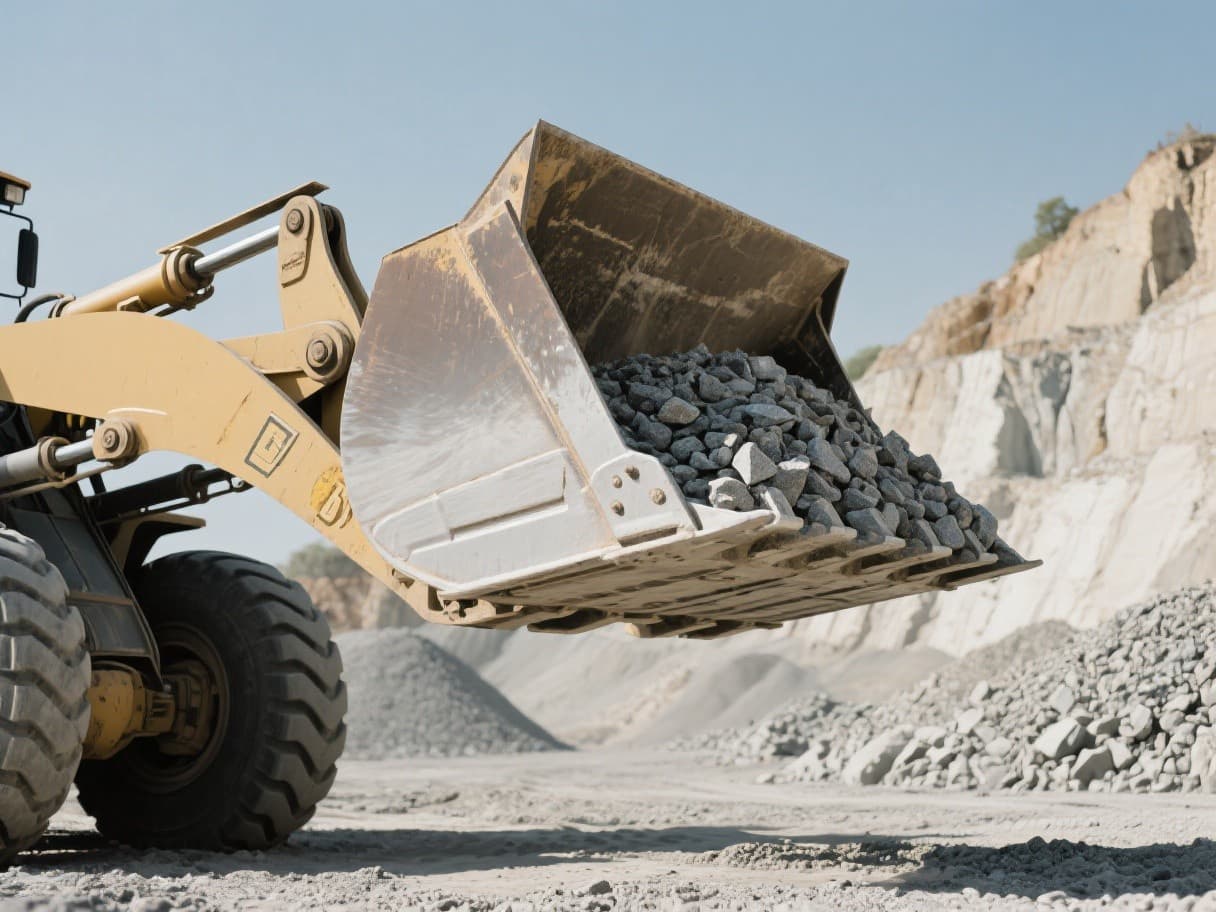 Choosing The Right Wheel Loader BucketOctober-Fri-2026
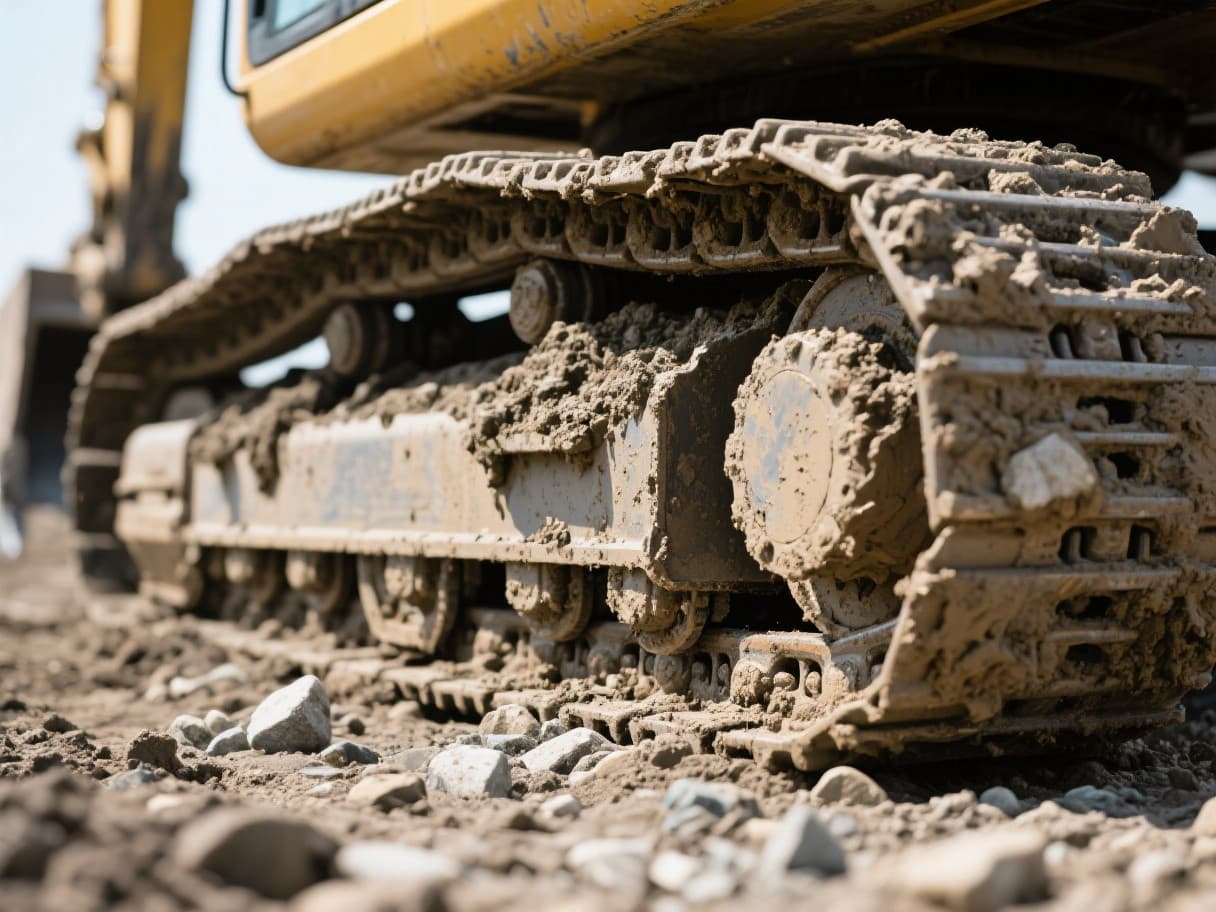 Undercarriage Care In Abrasive GroundOctober-Fri-2026
Need A Machine Quote?
Send us your job site details and we will recommend the right model, configuration and shipping method.
Get A Quote
Hot News